Source shoe horn for Promotional Activities, Training, and Team Building
Find 30 shoe horn options from verified suppliers with varying sizes, materials, and customization features. Compare specifications for promotional activities, training, and team building needs.
Key considerations
Products List
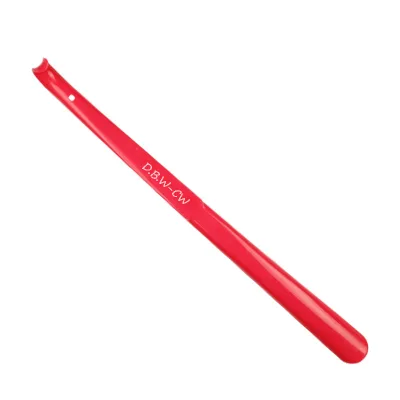
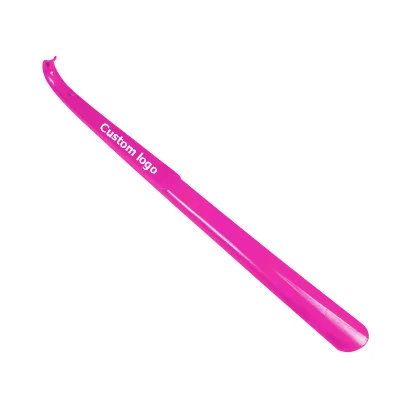
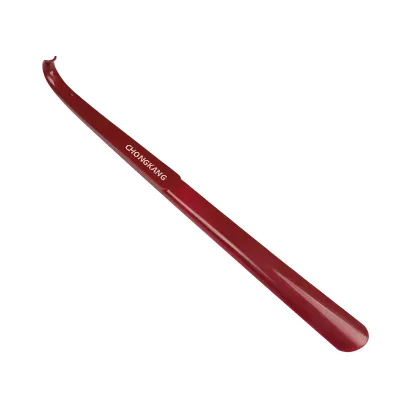
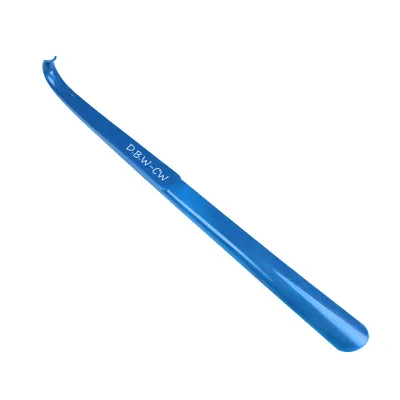
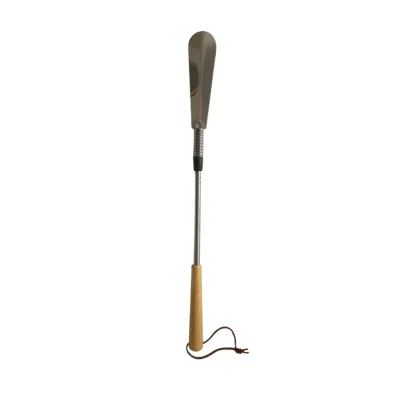
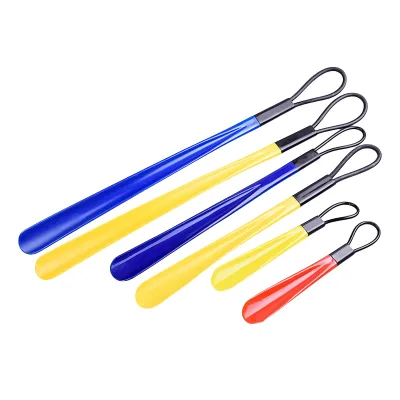
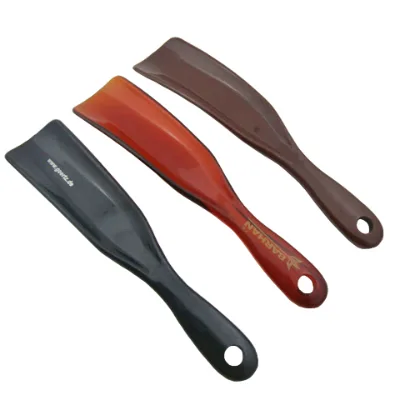


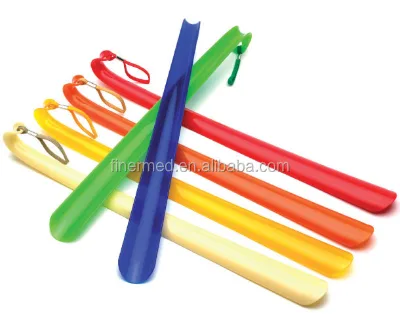


Comprehensive Sourcing Guide
Strategic Sourcing Guide for Shoe Horns in the B2B Market
Navigating the global market for shoe horns requires a disciplined approach that balances functional utility with promotional potential. As a core keyword in the personal care and promotional products sectors, shoe horns serve dual purposes: they are essential household tools for maintaining footwear and valuable branded assets for corporate gifting. The current market landscape presents a diverse array of options, ranging from simple, mass-produced plastic units to customized promotional items. Buyers must carefully evaluate product attributes, material composition, and supplier capabilities to ensure alignment with specific procurement goals. This guide outlines the critical factors for sourcing shoe horns effectively, drawing on observed market data and standard industry practices.
Technical Specifications and Material Composition
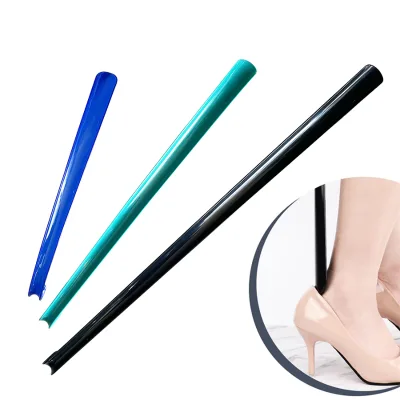
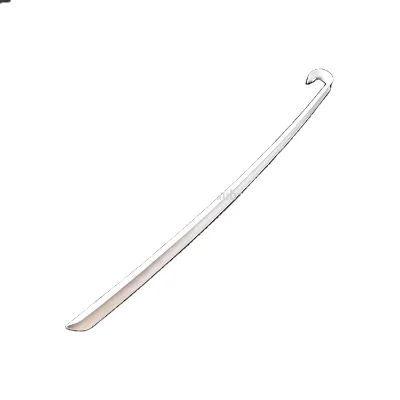
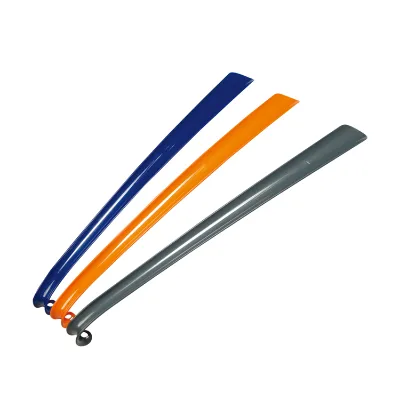
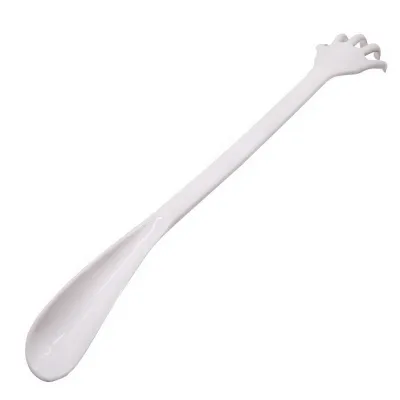
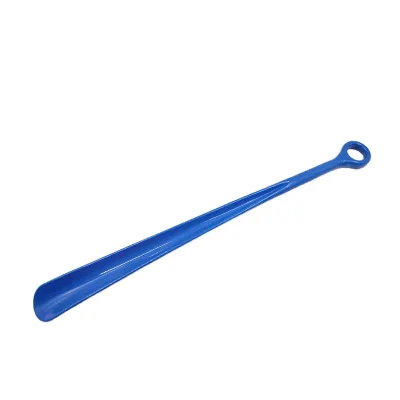
Understanding the technical specifications of shoe horns is the first step in defining a procurement requirement. The market offers significant variation in dimensions, materials, and structural design. Observed data indicates that product sizes vary widely, with specific listings noting dimensions such as 58.5cm, 90cm, and compact variants measuring 113.80.28cm. The single package size also fluctuates, with some units packaged at 58.5X4.5X2 cm while others are larger, such as 20X15X10 cm. These variations suggest that buyers must explicitly define the required length and width based on the intended use case, whether for hotel amenities, personal care kits, or large-scale promotional giveaways.
Material selection is another critical technical parameter. The primary materials identified in the current supply pool are Polypropylene (PP) and general plastic. PP is often favored for its durability and cost-effectiveness, making it suitable for high-volume orders. However, some listings specify "Plastic" generally, which requires further clarification from the supplier regarding the specific polymer grade. The weight of the product is also a key specification, with observed single gross weights ranging from 0.095 kg to 0.5 kg. This variance impacts shipping costs and the perceived quality of the item; lighter units may be preferred for bulk distribution to reduce logistics expenses, while heavier units might be perceived as more robust.
Customization and Branding Capabilities
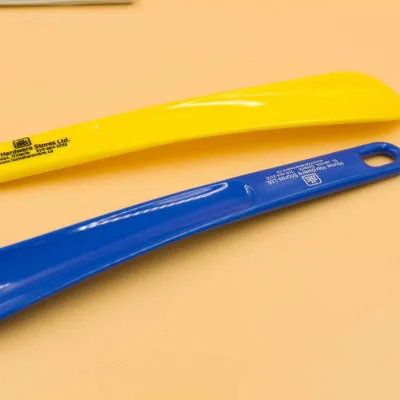
For many B2B buyers, the primary value of a shoe horn lies in its potential for customization. The product is frequently categorized under "Promotional Household Products" and "Personal Care," with applications spanning promotional activities, training sessions, and team-building events. Consequently, branding capabilities are a central consideration. Most suppliers in this sector offer printing services, with "Silk Screen Printing" and general "Printing" techniques being the most common methods observed. The ability to apply a logo is a standard feature, with options for customized shoe horns and specific logo placement.
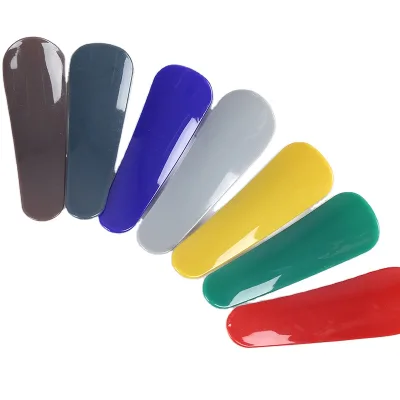
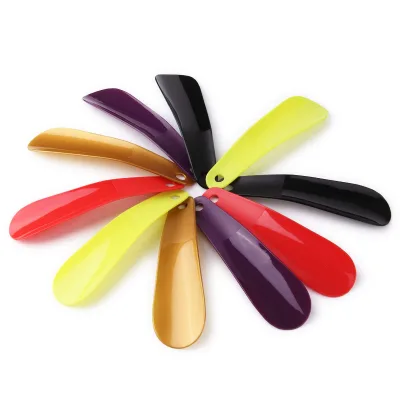
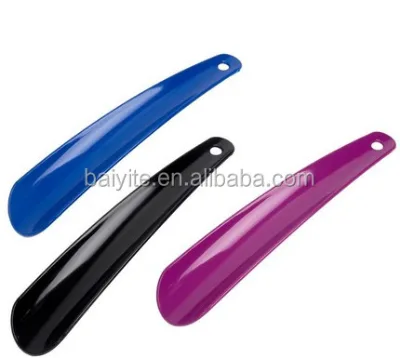
Buyers should verify the available color palette during the customization phase. The market supports a broad spectrum of colors, including Black, Red, White, Blue, Yellow, Brown, Gray, and Green. Some listings mention "colorful shoehorn" as a specific style, indicating that multi-color options are readily available. The packaging is equally customizable, with standard options including "1 pcs/opp" (polyethylene) bags, though customized packaging is welcomed. The "OEM" (Original Equipment Manufacturer) service is explicitly welcomed by suppliers, allowing for significant flexibility in design and branding. However, buyers must confirm the specific printing technique and color limitations before finalizing the design to ensure the brand identity is accurately represented.
Cost Drivers and Order Economics
The economics of sourcing shoe horns are influenced by several variables, including order quantity, material choice, and customization complexity. The Minimum Order Quantity (MOQ) is a significant cost driver, with observed ranges spanning from 1 piece to 5000 pieces. Specific listings indicate MOQs of 100 pcs, 1000 shoe horns, and 2000 pcs. This wide range suggests that buyers can access the market at various scales, from small trial orders to massive corporate campaigns. However, the unit price is not static; observed price ranges in the market fall between $0.10 and $2.58 USD. This variation likely correlates with the complexity of the design, the material quality, and the volume of the order.
Lead times and sample availability also play a role in the total cost of ownership. Suppliers typically offer sample times of 3-7 days, which is a standard window for evaluating product quality before committing to a large order. The supply ability is another factor to consider, with some suppliers reporting a capacity of 9000 pieces per month. Buyers must align their order volume with the supplier's production capacity to avoid delays. Additionally, the port of dispatch, such as Shanghai, Ningbo, or Yangzhou, will influence shipping costs and delivery timelines. Understanding these economic drivers allows buyers to negotiate more effectively and plan their inventory management strategies with greater precision.
Supplier Evaluation and Operational Reliability
Evaluating a supplier for shoe horn procurement requires a focus on operational reliability and production transparency. The place of origin for a significant portion of these products is Jiangsu, China, a region known for its manufacturing capabilities in plastics and household goods. When assessing potential partners, buyers should verify the supplier's "Supply Ability" to ensure they can meet demand spikes, particularly for seasonal promotional campaigns. The distinction between "Handmade" and machine-produced items is also relevant; most shoe horns in this category are machine-made, as indicated by the "No" designation for handmade attributes in several listings.
Quality control is inherent in the evaluation process. Buyers should request evidence of the supplier's production standards, particularly regarding the consistency of the printing and the structural integrity of the plastic. The "Style" of the product, whether "Simple" or "Sports," should align with the target audience. For instance, a "Sports" style might be more appropriate for athletic team building, while a "Simple" style fits general hotel amenities. The "Feature" of the product, such as "Portable," is a key selling point that must be validated. Buyers should also check if the supplier offers "Customized shoe horn" services that go beyond simple logo printing, such as custom molds or unique shapes, to differentiate their brand in a crowded market.
Quality Control and Compliance Verification
Ensuring product quality and compliance is paramount, especially when the shoe horns are intended for direct consumer use or high-profile corporate events. While specific certification data is not universally provided in the general market listings, buyers must proactively verify compliance with relevant safety standards. For plastic products, this often involves checking for the absence of harmful substances like BPA or phthalates, particularly if the product is intended for use by children or in sensitive environments. The "Technique" of printing should also be scrutinized to ensure the ink is non-toxic and durable, preventing fading or peeling during use.
The "Application" of the product, such as "Hotel shoe horn plastic colorful short shoehorn," implies specific usage scenarios that may require higher durability standards. Buyers should request test results or material safety data sheets (MSDS) from the supplier to confirm that the plastic meets international safety requirements. Furthermore, the packaging details, such as the use of OPP bags, should be evaluated for their protective capabilities to prevent damage during transit. The "Single gross weight" and "Single package size" data provided by suppliers should be cross-referenced with actual samples to ensure accuracy, as discrepancies here can lead to unexpected shipping costs or inventory management issues.
Long-Term Procurement and Strategic Considerations
Sourcing shoe horns is not merely a transactional exercise but a strategic decision that impacts brand perception and operational efficiency. The "Product Type" classification, which includes both "Promotional Household Products" and "Personal Care," indicates that these items can serve multiple strategic purposes. For long-term procurement, buyers should consider the scalability of the supplier. A supplier with a high "Supply Ability" and flexible MOQs can support growing business needs without requiring a constant search for new vendors. The "OEM" welcome status suggests that suppliers are open to long-term partnerships, which can lead to better pricing and priority production scheduling.
Buyers should also plan for the lifecycle of the product. The "Style" and "Color" options should be selected with an eye toward longevity and brand consistency. A "Still life" pattern or a specific color scheme might become a signature element of a corporate gift program. Additionally, the "Function" of the shoe horn as a "Shoe helper" must be reliable; a poorly designed horn that breaks easily can damage the brand reputation. By focusing on high-quality materials like PP and robust printing techniques, buyers can ensure that the shoe horns remain functional and attractive over time. Finally, maintaining a relationship with a supplier who offers customized packaging and logo services allows for continuous brand reinforcement in every interaction with the end user.
FAQs
What materials are commonly used for shoe horns?
Shoe horns are primarily manufactured using Polypropylene (PP) or general plastic. These materials offer durability and cost-effectiveness suitable for high-volume orders and promotional activities.
Can I customize the logo on the shoe horn?
Yes, suppliers welcome OEM services and offer customized logo printing. Techniques like silk screen printing are commonly used to apply brand identities on the product surface.
What is the typical minimum order quantity for these items?
Minimum order quantities vary significantly, ranging from 100 pieces to 5000 pieces depending on the supplier. Specific listings often cite MOQs of 100, 1000, or 2000 pieces.
How long does it take to receive a sample?
Sample times typically range from 3 to 7 days for production and delivery. This allows buyers to evaluate product quality before committing to larger bulk orders.
Which colors are available for the shoe horn?
A broad spectrum of colors is available, including black, red, white, blue, yellow, brown, gray, and green. Some listings specifically mention colorful options for varied branding needs.
What is the standard packaging for individual units?
Standard packaging usually consists of a single piece in an OPP bag. Customized packaging options are also welcomed by suppliers to meet specific branding requirements.